
When Suzuki Keita received the ball on the half-turn against Saudi Arabia last November, two defenders closed in. Most midfielders would have laid it off. He didn't. A quick shift of weight, a burst through the gap。and suddenly Japan had a four-on-three. That single moment—replayed endlessly on Japanese football forums—captures what makes Suzuki different. He isn't flashy. He's just always a half-second ahead.I've watched Suzuki since his Kawasaki Frontale days, and the growth is striking. In 2021。he was a tidy passer who played it safe. Now, at 26, he's the metronome for a national team that increasingly dictates tempo rather than reacting. His pass completion rate in the J1 League last season hovered around 91%, but the number that matters more is progressive passes per 90—he ranked third among all midfielders. That's not accident. It's a deliberate shift in how he sees the game.The comparison to Endo Wataru is inevitable, and honestly, a bit lazy. Endo is the destroyer, the shield. Suzuki is the connector. Watch Japan build from the back and you'll notice Suzuki constantly checking his shoulders, scanning before the ball arrives. He receives with his back to pressure, spins。
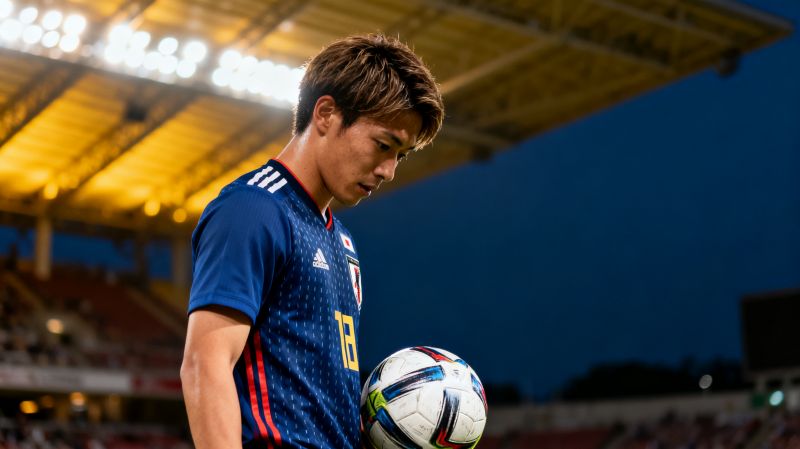
and releases. It looks simple. It isn't. Coaches at Frontale used to drill him on 'pre-receiving'—the art of knowing your next move before the ball touches your foot. That habit stuck.There's a stubbornness to Suzuki that I find compelling. After a disappointing loan spell at Sint-Truiden in 2022—just 11 starts, zero goals—many wrote him off as another J-League talent who couldn't cut it in Europe. He came back, worked with a private trainer on his weaker right foot, and returned a different player. Last season。he scored four goals with his right—more than in his entire professional career before. That's not talent. That's obsession.Where does he go from here?The links to Bundesliga clubs make sense. Suzuki's game—quick decisions, spatial awareness, relentless pressing—translates well to the German style. But he's also 26, not 21. The window is narrower than headlines suggest. For now, he keeps doing what he does: showing up, scanning, passing, moving. No drama. No viral celebrations. Just the quiet work of making everyone around him look better. And in a Japanese midfield crowded with talent。that quietness might be the most valuable trait of all.